

Study on Shape-Memory Materials Applied in Self-Curling False Eyelashes
Study on Shape-Memory Materials Applied in Self-Curling False Eyelashes
In the ever-evolving beauty industry, false eyelashes have become a staple for enhancing eye aesthetics, with consumers increasingly demanding products that offer convenience, naturalness, and long-lasting performance. Traditional false eyelashes, however, often fall short: they require manual curling with heated tools, rely on strong adhesives for shape retention, and their curls tend to flatten quickly, compromising both comfort and appearance. This is where shape-memory materials (SMMs), particularly shape-memory polymers (SMPs), are emerging as a transformative solution, enabling the development of self-curling false eyelashes that redefine user experience.
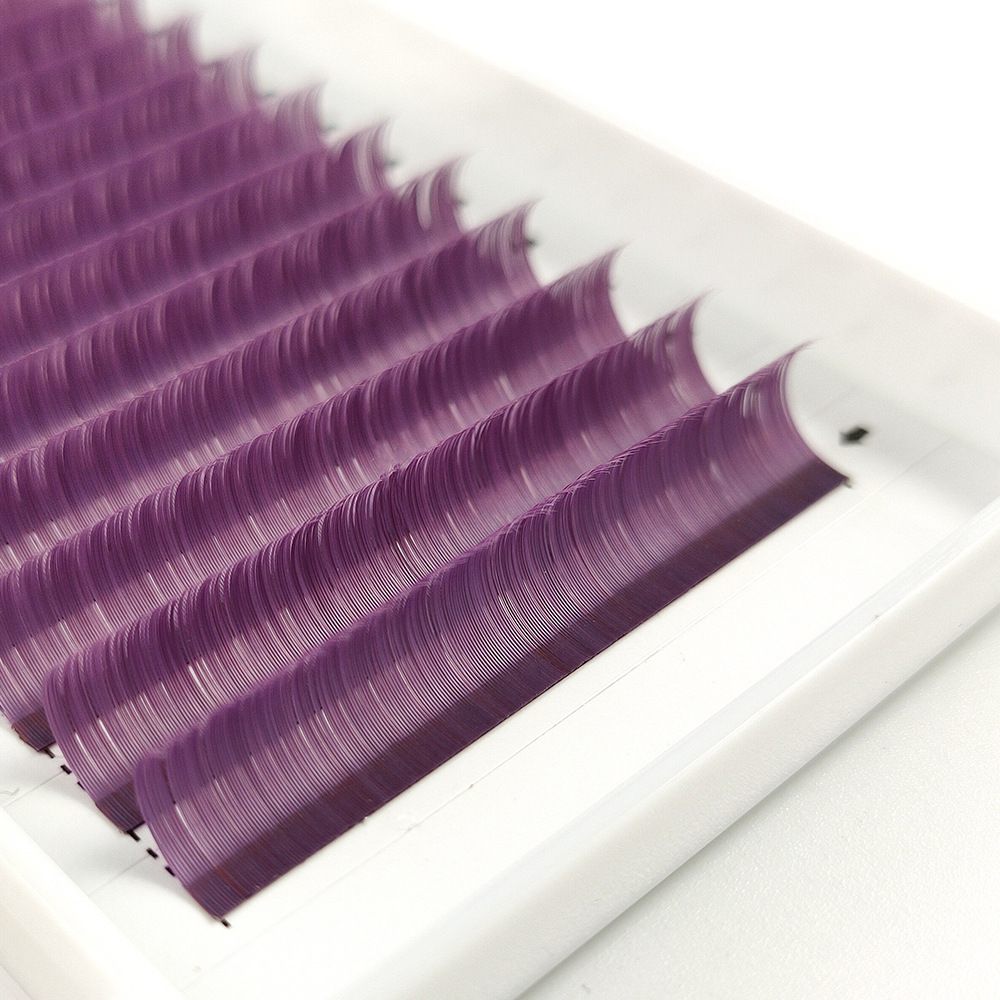
Shape-memory materials are smart materials capable of "remembering" a predefined shape and recovering it when triggered by external stimuli such as temperature, humidity, or light. For self-curling false eyelashes, temperature-sensitive SMPs are the primary focus. These polymers are engineered to maintain a flat or slightly curved state during storage and application but revert to a preset curly shape when exposed to body heat (typically 32–37°C). This mechanism eliminates the need for heated curlers or manual manipulation, streamlining the user routine.
The key advantages of SMP-based self-curling false eyelashes lie in their functional and aesthetic improvements. First, convenience is prioritized: users can apply the lashes directly, and the body heat from the eyelid triggers the self-curling process within minutes, saving time and reducing the risk of heat damage to natural lashes. Second, curl retention is enhanced: unlike traditional lashes that lose shape due to sweat or humidity, SMPs exhibit excellent stability, maintaining their curly form for 8–12 hours—significantly longer than conventional counterparts. Third, natural aesthetics are achieved: by mimicking the natural curvature of human lashes (typically 15–30° arcs), SMP-based designs avoid the artificial "over-curled" look, blending seamlessly with natural lashes.
However, integrating SMPs into false eyelash production presents technical challenges. Cost remains a primary hurdle: high-purity SMPs and precision molding processes increase manufacturing expenses, potentially limiting mass-market accessibility. Additionally, biocompatibility is critical—SMPs must be hypoallergenic to avoid skin irritation, requiring rigorous testing of raw materials. Another issue is shape memory cycle stability: repeated use (e.g., removable/reusable lashes) may cause SMPs to lose their recovery ability over time, necessitating research into durable formulations.

Looking ahead, innovations in SMP technology could further elevate self-curling false eyelashes. Researchers are exploring multi-stimulus SMPs (e.g., light or humidity-triggered) to expand application scenarios, while biodegradable SMPs align with the industry’s sustainability trend, reducing environmental impact. Customization is another frontier: 3D-printed SMP lashes could allow users to personalize curl intensity and length, catering to diverse beauty preferences.
In conclusion, shape-memory materials are revolutionizing the false eyelash sector by addressing longstanding consumer pain points. While challenges like cost and durability persist, ongoing advancements in material science and manufacturing are poised to make self-curling SMP lashes a mainstream choice. For manufacturers, investing in this technology not only enhances product competitiveness but also positions them at the forefront of beauty tech innovation.


